
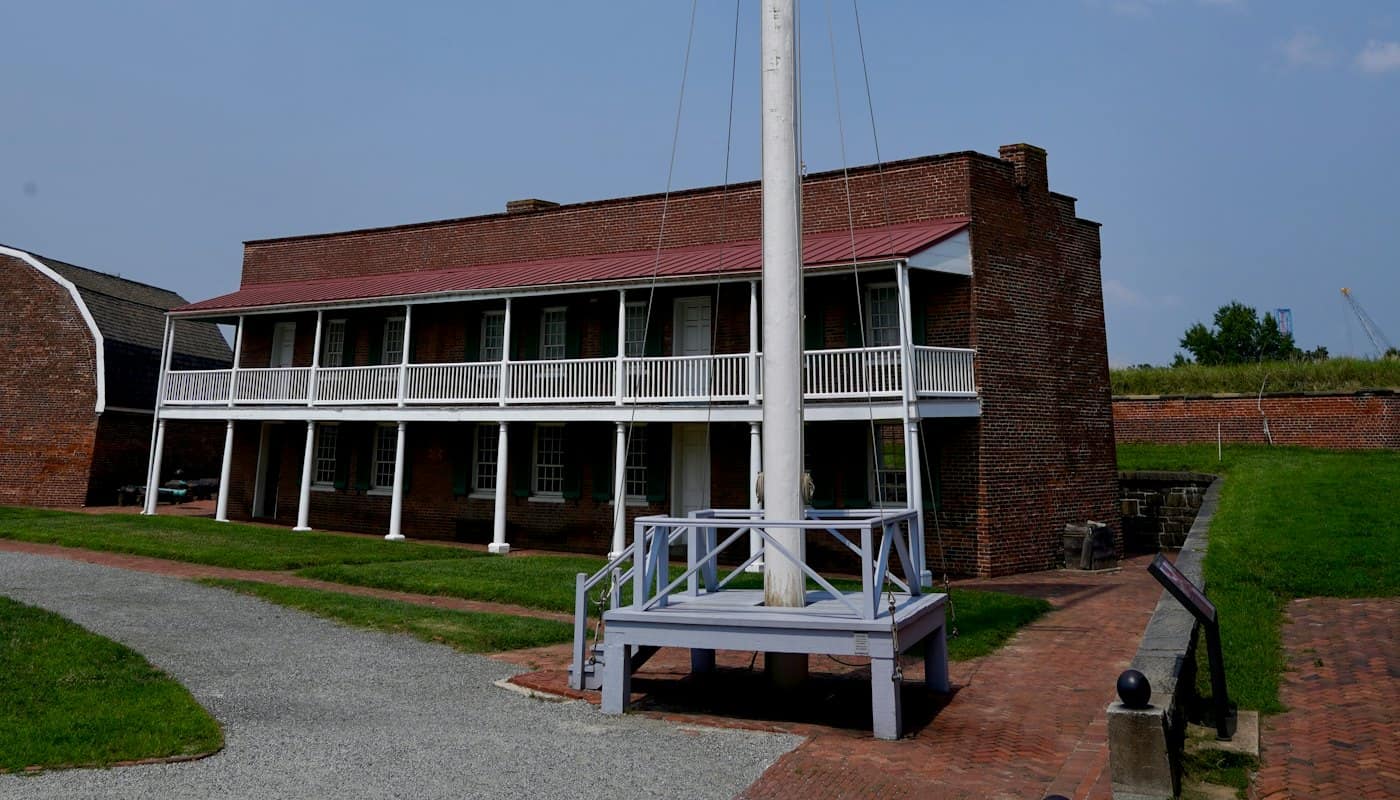
Photo by Gang Hao on Unsplash
Sponsored content. This article was supplied by a third party and includes links to a commercial service.
Old buildings tell the story of a place. Brick warehouses turned into offices, churches with tall wooden ceilings, row houses with narrow staircases and grand halls with decorative plaster all give a city its character. They also share a problem that new construction does not: they were built long before modern fire codes existed.
Preserving these buildings means keeping what makes them special while protecting the people and collections inside. Fire is the greatest single threat to that goal, and a fire watch is one of the practical tools that owners and managers use when their protection systems need attention.
Why historic buildings are harder to protect
The challenges start with the structure itself. Many older buildings use timber framing, wooden floors and lath-and-plaster walls, all of which can burn and can hide fire inside voids. In regions with a long building history, property owners often turn to The Fast Fire Watch Company in Baltimore, MD when an older property needs temporary coverage during work on its alarm or sprinkler systems.
Open stairwells and tall shafts, once designed for light and air, act like chimneys and let smoke travel quickly between floors. Attics and cellars are often cluttered, and wiring may date from several different eras. Ceilings may be decorated with delicate finishes that cannot easily be drilled for modern equipment.
Retrofitting adds another layer of difficulty. Installing sprinkler pipes or alarm wiring can damage original features, and preservation rules may limit what can be changed. The result is that protection systems in historic buildings are often more complicated, more fragile and more likely to need repair.
What is at stake
The loss from a fire in a historic building goes beyond the cost of repair. Original materials and craftsmanship cannot simply be replaced. A museum may hold objects that exist nowhere else, a library may keep documents with no copies, and a church may contain artwork and records that are central to a community.
There is also a human side. Historic sites are often used for weddings, services, tours, classes and public events. When people gather in an older space with limited exits, the need for early detection and a clear evacuation plan becomes even more important.
Where fire watch fits in
A fire watch is not a replacement for a working alarm or sprinkler system, and nobody who cares for a historic building should treat it that way. It is a stopgap that provides human observation while the system is repaired, upgraded or tested. In a place where every minute matters, an alert person walking the building adds a valuable layer of protection.
Typical situations include:
- System repairs. A failed panel, a damaged detector or a leaking pipe that requires part of the system to be shut off.
- Restoration projects. Roof work, masonry repair, painting and floor refinishing, which often involve heat, dust or hot tools.
- Upgrades. Adding new detection or suppression, which may leave the building partly unprotected for weeks.
- Vacant periods. Buildings awaiting sale or redevelopment, where nobody is present to notice trouble.
- Special events. Gatherings that bring more people or temporary equipment into the building.
Restoration work and hot work
Many historic fires start during renovation, not during everyday use. Torches used to remove paint or soften roofing, welding, grinding and soldering all create heat and sparks, and an ember can slip into a void in an old wall and smolder for hours before it becomes visible.
For this reason, many fire authorities require a watch after hot work ends, sometimes for an hour or more, and some require it during the whole project. Guards check areas where sparks could have traveled, including attics, wall cavities and spaces below floors. Their task is to notice the first sign of smoke or heat before it grows.
Protecting vacant and quiet buildings
Some of the highest risks involve buildings that are empty. A vacant property has no occupants to smell smoke, and unused spaces collect debris. Unauthorized entry, faulty wiring and stored materials all add risk. If protection systems have been shut off to save money, the danger is higher still.
Where a historic building is waiting for investment, owners sometimes arrange regular patrols to watch for fire hazards and signs of intrusion. The same discipline used in a formal fire watch can be applied here, with a written log and a clear plan for what to do if something is found.
What a good patrol looks like
Fire Watch Guards working in a historic setting need to be careful and respectful. They may be asked to avoid certain rooms, to move quietly around collections or to follow rules about lighting and access. A good guard receives a briefing on the building’s layout, sensitive areas and emergency contacts before the first round.
On each patrol, the guard walks a set route and looks for smoke, burning smells, heat, damaged wiring and blocked exits. Attention goes to the places where fire tends to hide: attics, basements, mechanical rooms, kitchens and storage areas. Everything is written down, including the time, the areas checked and any findings.
If something is found, the guard raises the alarm and contacts emergency services right away. Historic buildings should have a plan that explains how responders will reach key areas and where the most valuable items are, and the guard should be familiar with it.
Timing and duration
Some impairments last hours, while others stretch on for months. A small repair may need only a short watch, but a major rewiring or sprinkler installation can leave a building partly unprotected for a long time. In those cases, 24/7 Fire Watch Guard Services allow the property to stay covered through nights, weekends and holidays, which are the periods when a fire is most likely to go unnoticed.
Fire Watch Services can also be scheduled to match the work. If crews are on site only during the day, the watch can continue after they leave to catch anything that may have been started by the day’s activity.
Records and relationships
Owners of historic buildings often answer to several groups at once: fire officials, insurers, preservation boards, donors and the public. A detailed log helps with all of them. It shows that the owner understood the risk and responded sensibly, and it supports insurance conversations, especially for properties with high value or unusual construction. A provider such as The Fast Fire Watch Company says every guard completes a site-specific safety briefing before setting foot on a property, which is the moment to flag fragile finishes and restricted areas.
Organizations with sites in more than one jurisdiction may prefer a single approach for all of them. A foundation that manages a property in Maryland and another in the capital, where The Fast Fire Watch Company in Washington, DC can support coverage, benefits from consistent procedures and reporting at every location.
Planning ahead is the best preservation
The most effective step is to plan before the problem appears. Managers should keep up to date plans of the building, review the condition of their protection systems and know who to call when something fails. They should also talk with the local fire department so that responders understand the building’s layout and its value.
A fire watch cannot give a historic building the same protection as a modern system, but it can bridge the gap safely and keep a repair from becoming a disaster. For the people who care for these places, that bridge is worth building, because what burns in an old building cannot be built again.