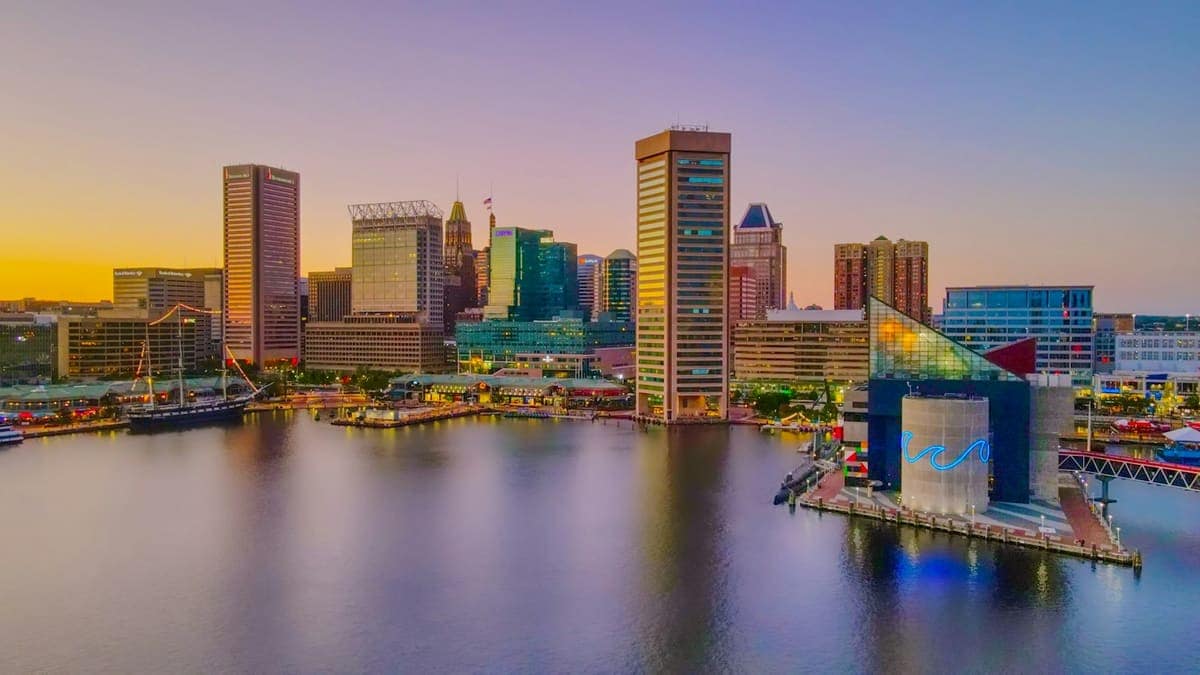
Few ballparks have changed the sport as much as the one in Baltimore’s old port area. Oriole Park at Camden Yards became a model for stadium design, and its story begins on a spring afternoon in 1992.
When did Oriole Park open?
Oriole Park at Camden Yards opened on April 6, 1992. In the first game, Rick Sutcliffe pitched a complete-game shutout as the Orioles beat the Cleveland Indians 2-0 in front of a sellout crowd of 44,568.
Why was it called a “retro” ballpark?
The park was the first of what became known as the “retro” major league ballparks built during the 1990s and early 2000s. Instead of a large multipurpose bowl, it was designed to feel like an early-20th-century ballpark, with a design inspired by parks such as Ebbets Field and Fenway Park. It was built into the downtown of a real city, in Baltimore’s old port area, and it incorporates the brick wall of a former factory on the site.
Who designed it?
The architectural firm HOK Sport, now called Populous, designed Camden Yards. The park was part of a wider effort to revitalize the city’s downtown, and its placement near the harbor tied the ballpark to the rest of the neighborhood.
What is Eutaw Street?
Eutaw Street, the walkway at the ballpark, is part of its identity. Mickey Tettleton hit the first home run to land there, on April 20, 1992, only two weeks after the opening game.
Getting there
The ballpark is easy to reach on public transport. The Light RailLink stops at Camden Station, beside the ballpark, as we explain in our guide to getting around Baltimore.
What it left behind
The park’s lasting influence is that it showed a city could build a major sports venue that looked and felt connected to its surroundings. Other cities followed with ballparks of their own, and the design approach it introduced remains familiar to fans today.
This article is a short history based on published accounts of the ballpark’s opening. Dates and details are as reported at the time of writing.
Sources: ESPN; Baseball-Reference Bullpen; WMAR-2 News